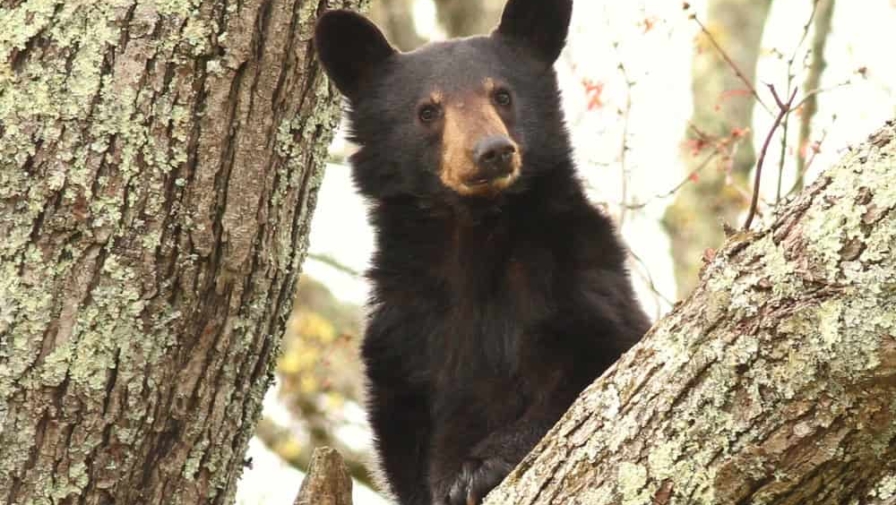
Top 3 Tips for Viewing Smoky Mountain Wildlife
When people visit the Smoky Mountains, they usually want to take in the incredible mountain views, learn more about the area, and explore in different ways. One thing almost everyone wants to experience is seeing wildlife in person. It’s super exciting when you are driving or hiking, and you happen to see animals in their natural habitat, but you may be wondering what you can do to make it more likely that you’ll see animals on your trip. Here are the top 3 tips for viewing Smoky Mountain wildlife:
1. Where to Go
 The first tip we have is finding out where you should go to see wildlife in the Great Smoky Mountains National Park. While it is possible to see all kinds of creatures while you’re out on a hike, driving along one of the roads, or having a picnic, there are a few places within the park that are known for being a prime spot to see animals. One of the most popular on the Tennessee side is Cades Cove, while the North Carolina side is Cataloochee.
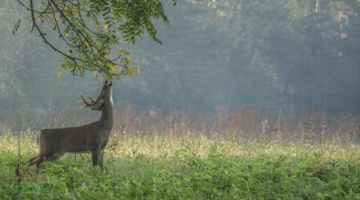
Due to the open fields in these valleys, you could possibly see all kinds of creatures, including white-tailed deer, black bears, raccoons, turkeys, and woodchucks. Any other areas that are open like this are ideal for spotting wildlife because the dense forest won’t get in your field of vision. It is possible to spot some of these creatures while you’re hiking in the woods, but they may be harder to see.
2. When to Go
Now that you know a few of the best places to see wildlife in the Smokies, another factor to consider for wildlife viewing is when you should be out exploring. Since many animals are active at night, early in the morning as the sun is rising, or at twilight right as the sun is going down, are all great times of day to look for wildlife. It is possible to see animals periodically throughout the day, regardless of the time of year you visit; however, you’re more likely to see them during the warmer months and the times mentioned when they are most active.
3. What You Should Do and Not Do
In addition to knowing when and where you should go, you should know what to do when you see wild animals. The most important wildlife safety tip is to keep your distance from the animals you see. While it is tempting to get closer for photos and viewing, these are wild creatures that are unpredictable, and your safety and the animals’ safety are more important than a picture.
 Another Smoky Mountain wildlife viewing tip we have for you is to never feed them. This interaction teaches the animals that humans are associated with food, and they lose their natural fear of people, which can be dangerous for the animals and people. It could even potentially result in animals being euthanized.
Humans can have a huge impact on the natural habitat of animals living in the Smokies. You should never move rocks, vegetation, or do anything else to disturb animals while you’re exploring in the mountains. This type of behavior could result in major environmental impacts that could affect the wildlife that live here.
We know you can’t wait to visit the area and possibly see Smoky Mountain wildlife on your next trip. Learn more about which animals in the Great Smoky Mountains you’re most likely to see, and maybe a few that might be harder to find!